
Chile begins its 63rd scientific expedition to Antarctica
Read in English
Machine translation
 Machine translation
An icebreaker has set off with the first specialists of a big science expedition heading for Antarctica, the coldest continent on Earth.
At the beginning of November 2026, Chile began its 63rd scientific expedition to Antarctica, the coldest continent on Earth and the one with the most ice. It is coordinated by the Chilean Antarctic Institute, and more than 150 researchers are taking part in about 50 projects, which will last until March 2027. According to Chilean media, it is the most ambitious expedition in its history.
The first specialists left from Punta Arenas, a city in the south of Chile, on the icebreaker Almirante Viel. An icebreaker is a very strong ship, built to sail through ice. This one was built in Talcahuano, also in Chile. It also has laboratories and equipment for studying the sea.
That first group is not mainly made up of scientists. They are specialists in charge of preparing the facilities, restocking the bases and getting the laboratories ready. That way, when the researchers arrive, everything will be ready for them to start work.
To carry everything that is needed, the Chilean Navy will use six ships. They will make 19 trips and carry more than 11,000 tonnes of cargo, fuel, food and materials. The scientists will study climate change, the ocean, glaciers, pollution and the lives of polar animals and plants.
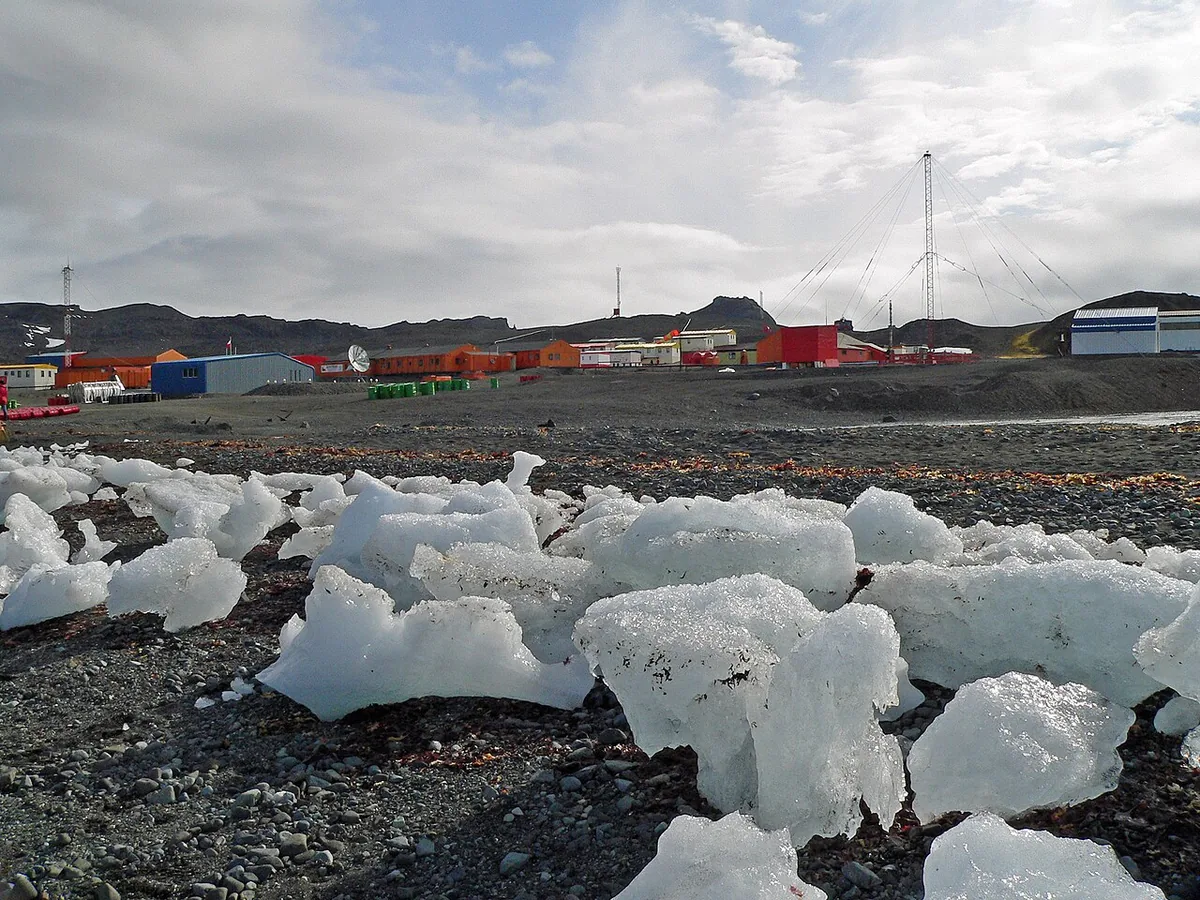
Chile's main scientific station in Antarctica is the Profesor Julio Escudero base. This is the second season in which it has operated all year round. The Prat and O'Higgins bases and camps in the interior of the continent will also be used. Scientists from other countries will work at the Chilean stations and share data about the ice.
Gus and Julie, on the way to school

Six ships and more than 11,000 tonnes of cargo. Now that is a professional delivery! I would take three scarves.

If you could go to Antarctica with the scientists, what would you like to study there and why?
Questions
Tap the answer you think is right.
Which city did the icebreaker Almirante Viel leave from with the first group?
What job does the first group of specialists who left on the icebreaker have?
How many ships of the Chilean Navy will be used to carry everything that is needed?
What will the Navy's ships carry on their trips?
The scientists will study climate change, the ocean and glaciers. What would you like to discover in a place as cold as Antarctica? Explain why.
Scientists from other countries will work with the Chileans and share data about the ice. Why do you think it is useful for countries to work together in science? Think of an example from Sweden or from your family's country.
What has happened since then?
 What has happened since then?
What did the scientists of the 63rd Chilean expedition to Antarctica discover?
Find out in the library, by asking someone or by searching with an adult. This story is from November 8, 2026: what have you discovered since that date?
 Print worksheet