Puya ukumari: a new plant with almost black flowers in the Andes of Peru
Read in English
Machine translation
 Machine translation
A scientific team has described a new plant about two metres tall in the Andes of Peru. Its petals are such a dark blue that they look almost black.
A scientific team has described a plant that is new to science in the Andes of south-eastern Peru. It is called Puya ukumari and it is a bromeliad, a plant from the same family as the pineapple. The study describing it was published on 15 October 2026 in the scientific journal PhytoKeys. Sernanp, the service that looks after Peru's protected natural areas, announced the news on 21 October.
It is a very striking plant. It can grow to about two metres tall, and its petals are such an intense dark blue that they look almost black. It grows in the Kosñipata and Mapacho valleys, in the Cusco region, between 2,300 and 3,300 metres above sea level. It has been seen in five places in and around Manu National Park.
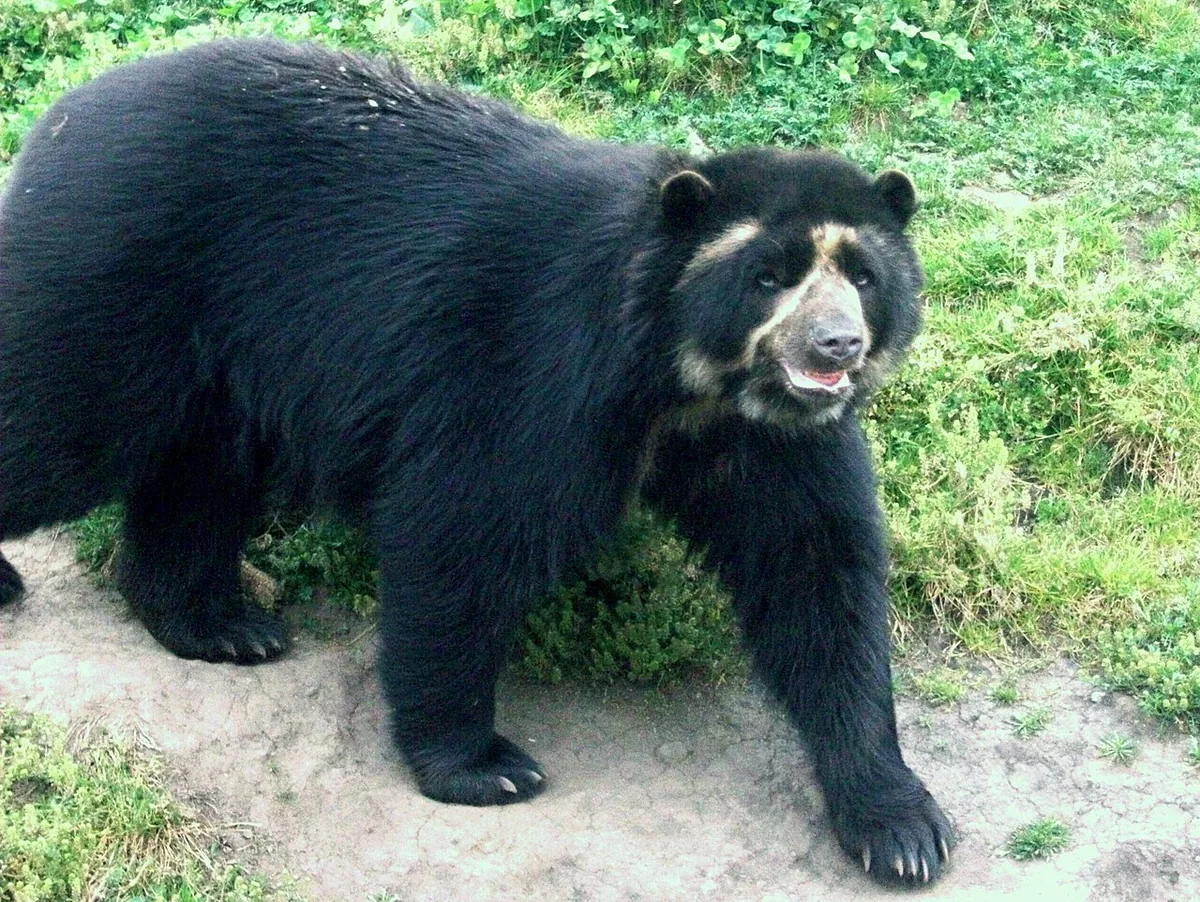
The name ukumari means "bear" in Quechua, an indigenous language of the Andes. It recalls the Andean bear, an animal that lives in those mountains. According to the researchers, the name reflects the relationship between the bears and these plants: watching what the bears feed on helped them locate new specimens.
The scientists observed the plant in the field from 2022. The first flowering specimen that they used to describe it was recorded in August 2025. A new species does not mean that nobody had ever seen it: it means that it now has a scientific name and a published description.
The study proposes treating it provisionally as an "endangered" species, because it is only known in a small area. Among the threats are forest degradation, livestock, fires and landslides. It is a proposal by the scientists, not an official decision. For Sernanp, finding this plant in a protected area helps to understand the biodiversity of the Andes better.
Gus and Julie, on the way to school

The scientists looked at what the bears eat to find more plants. To find my things, I look for where there are the most boxes.

These flowers are an almost black blue. What colour would you invent for a flower, and what would you call it?
Questions
Tap the answer you think is right.
What colour are the petals of the plant?
Where does this plant grow?
What threatens the plant, according to the text?
According to the researchers, how did the bears help to find the plant?
The scientists gave the plant a name that recalls an animal of the Andes. If you discovered a new plant or animal, what name would you give it and why? Write two reasons.
A new species can be in danger if it is only known in a small area. How can the plants and animals of the mountains be protected, here in Sweden or in your family's country? Write at least two ideas.
What has happened since then?
 What has happened since then?
Has Puya ukumari been recognised yet as an endangered species? Have more plants been found?
Find out in the library, by asking someone or by searching with an adult. This story is from October 21, 2026: what have you discovered since that date?
 Print worksheet