90 vicuñas travel to a reserve in Peru in the first repopulation in Arequipa
Read in English
Machine translation
 Machine translation
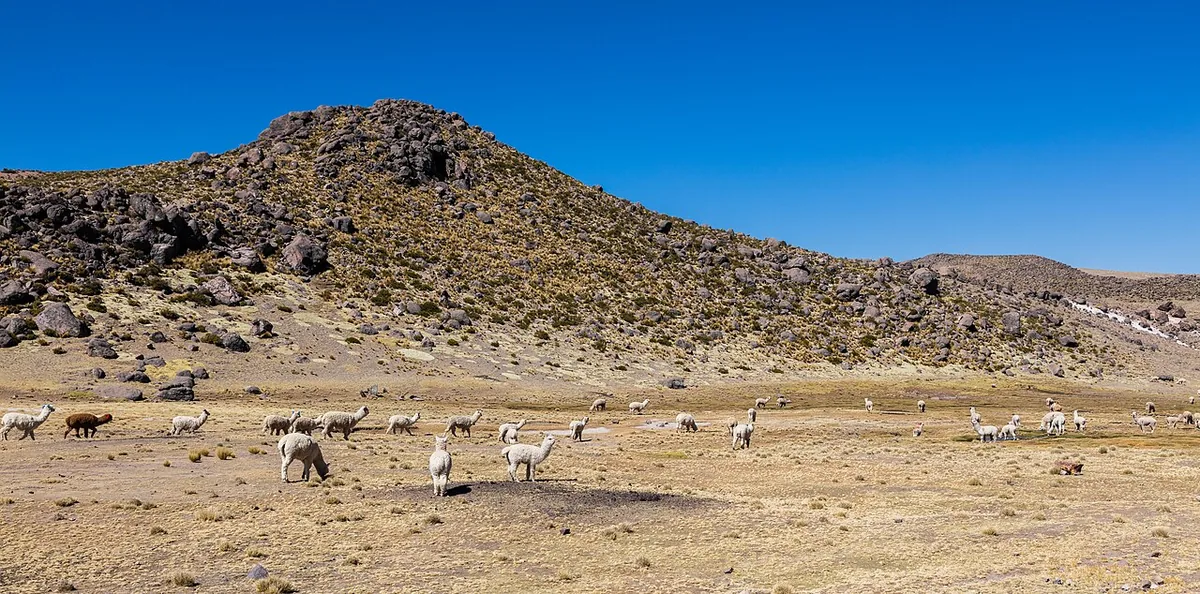
Serfor has supervised the trip of 90 vicuñas to a reserve in the Arequipa region, in Peru. It is the first vicuña repopulation carried out in that region.
On Tuesday 3 November 2026, Serfor reported a very special move. Serfor is an official body in Peru and it authorised and supervised the trip of 90 vicuñas to a reserve in the Arequipa region. It is the first vicuña repopulation carried out in that region. Vicuñas are animals of the Andes and relatives of llamas.
The vicuñas left the province of Caylloma. They arrived at the Cotahuasi Sub-basin Landscape Reserve, in the province of La Unión. The move was requested by an association of camelid breeders; camelids are the family of llamas and vicuñas.
Before the trip, some specialists went to the destination area to check that it had water, pastures and other resources. They did so weeks before the move, so that the animals could adapt well. Then they led the vicuñas into an enclosure and chose the ones that were healthy, according to their age and their characteristics for having young. They also made sure there was a good proportion of males and females, so that family groups could form.
‘To repopulate’ means to take animals from one place to another area with good conditions, so that they settle in and breed. This strengthens the populations of the species, that is, the number of animals of that species.
The move is also part of the measures against the El Niño phenomenon, which alters the climate. In this way the pressure on the pastures of the puna, the high zone of the Andes, is lowered, and other suitable spaces are used. Another aim is that the vicuña's fibre can be used in a sustainable way, without neglecting the conservation of the species.
Arequipa is the region of the country with the most vicuñas: it has 73,201 animals, according to Serfor's Fifth National Vicuña Census 2025. Serfor highlighted the coordination between the national government, local governments and community organisations, which made the move possible.
Gus and Julie, on the way to school

Before taking the vicuñas, they went to check that there was water and grass there. That is how to check a delivery address properly!

If you were going to welcome 90 vicuñas to a new place, what would you prepare so that they felt at home?
Questions
Tap the answer you think is right.
What did the specialists check in the destination area before the trip?
What does ‘repopulate’ mean according to the news story?
What did they take care of when choosing the vicuñas that travelled?
How many vicuñas are there in Arequipa, according to the 2025 census?
The 90 vicuñas travelled to a reserve so that there would be more vicuñas there. Why do you think it is important to look after the animals of a region? Write two reasons.
Is there an animal in Sweden or in your family's country that needs protection? Tell us about it and explain how it could be helped.
What has happened since then?
 What has happened since then?
How many young have been born among the vicuñas taken to the Cotahuasi Reserve?
Find out in the library, by asking someone or by searching with an adult. This story is from November 3, 2026: what have you discovered since that date?
 Print worksheet